


Dear Eric,
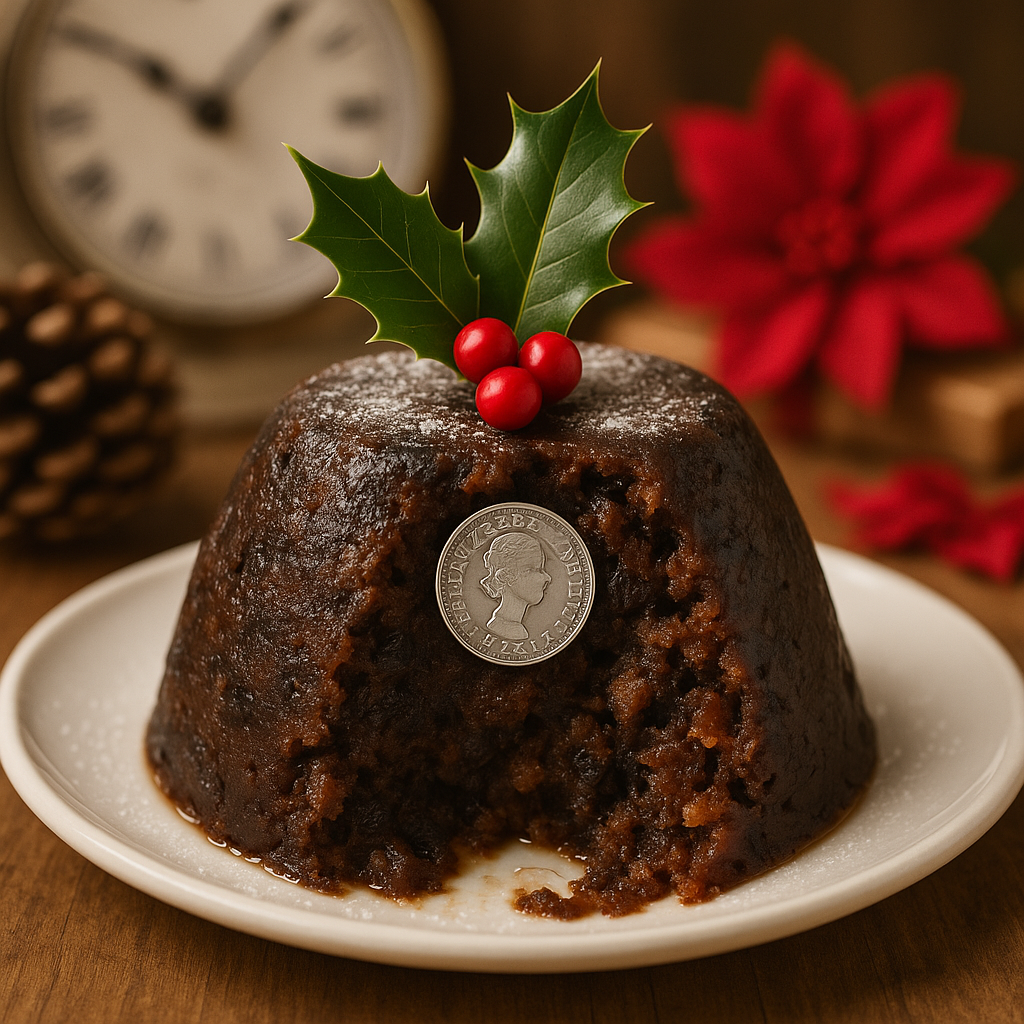
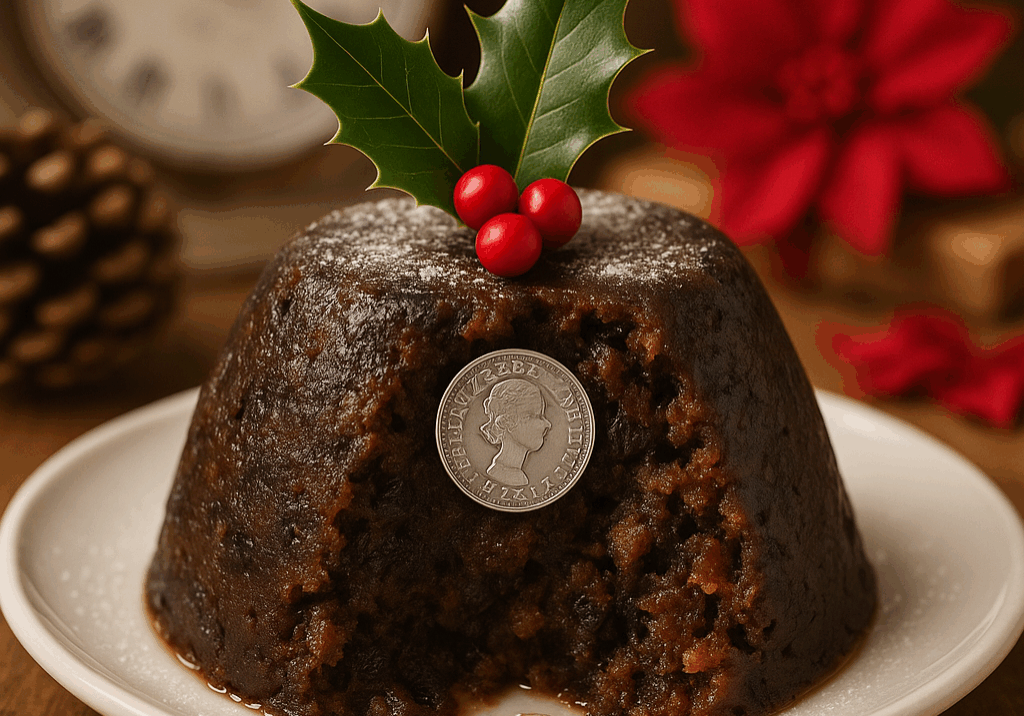
I’m hosting my in-laws for Christmas and they’re very traditional. I’d like to make a Christmas pudding with a traditional silver sixpence piece inside, but I’ve no idea where to start. Do you bake the silver inside the pudding or add it afterwards? Please help with my Christmas pudding dilemma.
Many thanks,
Daniel
Dear Daniel,
Ah, Christmas pudding — the only dessert in British history that manages to look a bit suspicious but still have generations swearing undying loyalty to it. And nothing sends people into a flap quite like the idea of hiding silver inside something that’s already dense enough to stun a small mule.
But rest assured: you’re not alone. Every year, without fail, someone asks me whether they’re supposed to bake the silver in, push it in afterwards, or wave it over the bowl and hope the magic sticks.
Before we get into the how, let’s talk a bit about the why — because this tradition has deeper roots than most people realise.
A Little History (and a Lot of Nostalgia). Why a Silver Sixpence Goes in a Christmas Pudding
The idea of hiding coins in a pudding goes back to the early Victorians, who adored symbolic traditions. This was the era when every household had “a superstition for every season” — and Christmas pudding was no exception.
Originally, charms were used rather like edible fortune telling:
- Sixpence – wealth and good fortune
- Thimble – thrift (code for: you’re not getting married this year)
- Button – bachelorhood
- Ring – engagement
- Wishbone – luck or a wish granted
My Uncle Stanley got the ring one year and panicked so much he spent the next decade avoiding anyone under 40 who so much as looked his way.
These charms were always made from real silver — both because silver was considered a “pure” metal and because it didn’t react with food during the long steaming process. The silver sixpence became the favourite because it was small, sturdy, and easily cleaned. Perfect for dropping into puddings… and occasionally teeth.
So when you hide a little silver in your pudding, you’re not just doing something quaint — you’re taking part in a ritual that’s been warming British homes for nearly 200 years.
Right Then, Daniel — The Practical Bit
You asked the big question:
How to Add a Silver Sixpence to Your Christmas Pudding Safely. Do you bake the silver inside the pudding or add it afterwards?
Here’s how each option works:
Option 1: Bake the silver sixpence inside (authentically Victorian) the Christmas pudding
- Only use solid sterling silver like a sixpence.
- Wrap it in a tiny square of baking parchment.
- Stir it into the raw mixture before steaming the Christmas pudding.
This is the “proper” way, the way your in-laws will know, and likely the way their parents and grandparents did it.
Option 2: Add the silver afterwards (modern + dentist-approved)
- Again: real silver only.
- Push it into the pudding once it’s cooked and cooled slightly.
- Remember which slice it’s in so you can deliver the magic — or avoid an unexpected dental bill.
Both methods work beautifully. What matters most is the metal you choose.
Let’s Talk Silver (And Why Only Real Silver Sixpences Are Safe to Use in a christmas pudding)
Real sterling silver is safe, non-reactive, and has been used in cooking for centuries.
Nickel, brass, plated alloys, random foreign coins… absolutely not.
Nickel can:
- react with heat
- leave a metallic taste
- discolour the pudding
- trigger allergic reactions
And let’s be honest — nothing ruins a Christmas dinner faster than offending the mother-in-law and poisoning the father-in-law.
So, Daniel, if it’s going in the pudding, it must be solid silver. No exceptions.
What Silver Should You Use?
Tradition says: a silver sixpence.
And who are we to argue with 200 years of Christmases?
To make life easier (and safer), we’ve sourced a collection of genuine, food-safe silver sixpences, properly cleaned and ready for pudding duty. No rummaging in drawers, no guessing, no plating pretending to be silver.
You can find them in our shop here:
👉 Authentic Silver Sixpences for Christmas Puddings
We also have some beautiful antique silver tableware if you want to elevate the Christmas table even further — and believe me, silver catches candlelight better than anything modern ever could. Pop into our shop in Chorleywood to see our full range of items and find hidden gems and gifts for all occasions and ages.
Final Words of Wisdom
So whether you bake it in like a Victorian purist or slip it in afterwards like a man who values survival, the secret is simple:
Use real sterling silver, never nickel. Keep the tradition alive. And enjoy the moment someone discovers the sixpence — it’s the closest thing we have to magic on a plate.
Wishing you luck, calm in the kitchen, and an impressively unflustered Christmas in front of your in-laws. Also, after Christmas you can send your silver finds to us and cash them in for some January spends. Click here to order your Free Postal Pack today.
All the best,
Eric